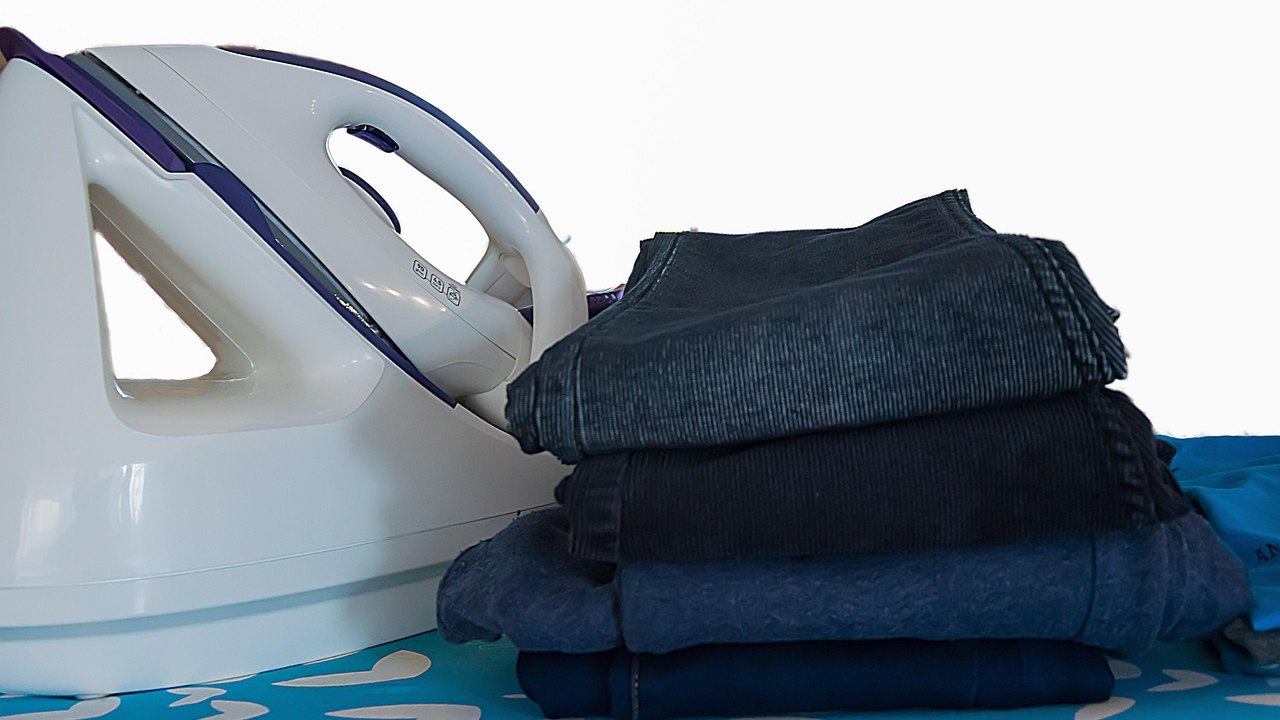
A reader sent us a photograph of a striped cotton shirt next to the sleeve of its identical twin. Same brand, same size, six weeks apart. One had been washed at 30°C and tumble dried. The other had been washed at 20°C and hung up. The difference in length was just over four centimetres — the difference between a shirt that tucks in and one that will not stay tucked.
Nothing had gone wrong. Both shirts did exactly what cotton does.
Three mechanisms, not one
Shrinking has a reputation as a mystery. It is not. It is three separate physical processes with three separate causes, and telling them apart tells you what to do.
| Mechanism | What happens | Fibres | Reversible? |
|---|---|---|---|
| Relaxation | Yarn held under tension during manufacture relaxes back to its natural length | Cotton, linen, viscose, most knits | Partly, while damp |
| Felting | Surface scales lock together under heat and agitation | Wool, cashmere, alpaca | No |
| Heat contraction | Heat above the fibre's transition point shortens the polymer | Polyester, nylon, acrylic, elastane | No |
If you take one thing from this article, take the table. Identify which of the three you are dealing with and the correct action follows.
Relaxation: the one that gets blamed for everything
Woven and knitted fabric is made under tension. The yarn is stretched onto the loom or knitting machine, stretched again through dyeing, and a third time while it is dried and finished. Manufacturers pull it taut because tension makes fabric lie flat and photograph well, and because a roll two per cent longer is two per cent more cloth to sell.
That tension survives folding, shipping and the shop rail. It does not survive the first wash, where water lubricates the fibres and agitation lets them slide back.
In practice: cotton poplin loses 1–3% in length. Cotton jersey and T-shirts lose 4–7%, which is the classic "my T-shirt got shorter" complaint — and it is length, not width, because the knit was stretched most in that direction. Linen loses 2–4% and keeps going for three or four washes rather than settling after one. Viscose loses 6–10%.
The good news is that relaxation shrinkage is finite. Once the yarn has relaxed, it stays relaxed. A cotton T-shirt that loses five per cent in its first wash will not lose another five per cent in its second. This is why the oldest garment in your wardrobe has stopped moving.
Viscose deserves a warning of its own. Regenerated cellulose loses roughly half its tensile strength when wet. A wet viscose dress in a machine is a fibre network being tumbled at half strength while the drum pulls on it. It comes out shorter and wider — shrunk along the length and stretched across the width in the same wash. Cold hand wash, no wringing, dry flat.
Felting: the one that is permanent
Wool is a scaled fibre. Under a microscope each wool fibre looks like a pine cone — overlapping cuticle cells pointing from root to tip. Dry, those scales are harmless. Add heat, water and agitation and they open, catch on neighbouring fibres, and lock.
This is how felt is made, and it is irreversible. A woollen jumper through a hot machine cycle can lose twenty to thirty per cent and will also thicken and stiffen as the fibres mat together.
Felting needs all three conditions. Remove any one and it stops:
- Cold water alone: scales stay closed. A jumper soaked in cold water and dried flat will not felt.
- Heat and water without agitation: a jumper left alone in a bowl of warm water will not felt. This is why careful hand washing works even in water that is not ice cold.
- Agitation without water: dry cleaning. The scales are not open, so there is nothing to lock.
The failure mode is always the same: a machine cycle, or a hand wash where someone rubbed the garment against itself. Wool wants cool water, pH-neutral soap, and handling closer to pressing than scrubbing.
Many wool garments carry a dry-clean-only symbol because the manufacturer does not want the returns. Wool itself is one of the easier fibres to wash — it resists odour, sheds dirt, and needs washing far less often than cotton. Our rule: wash it when it smells or is visibly soiled, roll it in a towel to remove water, and dry it flat. Not hanging — wet wool stretches under its own weight.
Heat contraction: the one you cannot undo
Synthetic fibres are thermoplastics. Below a certain temperature the polymer chains are locked; above it they can move, and when they cool they settle into a shorter, denser arrangement.
For polyester that point is around 70–80°C. A tumble dryer on high runs at 70–80°C. A 60°C wash is close enough to start the process in a thin fabric.
The tell-tale sign is that the garment has not just got smaller but thinner and denser. Fabric that felt soft now feels slightly papery. That is the fibre, not the finish, and there is no soak or conditioner that reverses a change inside the polymer chain.
The four rules
1. Read the fibre, not the care symbol. Care symbols say what the manufacturer will guarantee. Fibre content says what the fabric will do. A 100% viscose dress and a 100% cotton dress can carry the same wash symbol and behave completely differently.
2. Keep the water at or below 30°C. Twenty is better for anything you care about. Bedding and towels are the genuine exception — they benefit from 60°C for hygiene and are built for it.
3. Never tumble dry a garment you want to keep its shape. A dryer combines sustained heat with forty minutes of mechanical agitation. It is the largest single cause of shrinkage in an ordinary wardrobe, and it is entirely optional.
4. Dry flat and reshape while damp. This is the step that recovers the relaxation shrinkage you cannot avoid. While cotton or linen is damp its fibres are mobile. Lay it flat and ease it back to its original measurements and it works, every wash. Avoid a hot radiator, and never hang a knit — the shoulders stretch.
The short version
- Three mechanisms: relaxation, felting, heat contraction. Only the first is recoverable.
- Most of it happens in the first wash, and it is finite. A garment settles after two or three.
- Viscose is the worst offender and the least forgiving. Wool is the most catastrophic when it goes wrong.
- Cold water solves heat, gentle handling solves agitation, drying flat solves the rest.
- Tumble drying is the largest single cause of shrinkage, and it is entirely optional.